

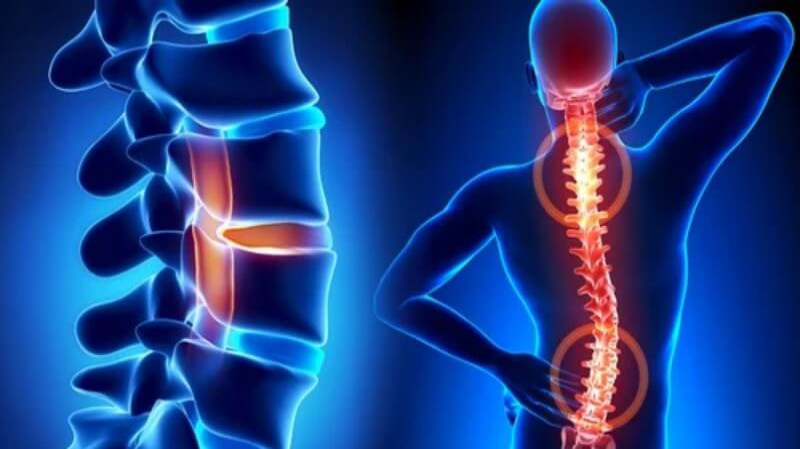
Below is a clear, practical, and safe guide on how to manage, prevent, and reduce the risk of spine disorders.(Important: This is just a general guidance, not a substitute for medical diagnosis or treatment.)
✅ *How to Prevent Spine Disorders:
Maintain Good Posture
Bad posture is one of the leading causes of neck, mid-back, and lower-back disorders.* Keep your back straight when sitting.
* Avoid slouching or bending your neck forward for long periods.
* When standing, keep weight evenly distributed on both feet.
Strengthen Core MusclesWeak abdominal and back muscles increase pressure on the spine.
Helpful exercises:* Planks (front and side)* Bridges* Bird-dog* Pelvic tilts* Gentle yoga or Pilates, Do them 3–4 times a week. Lift Objects Correctly:
Avoid bending from your waist.
Correct technique:
* Bend at the knees
* Keep object close to your body
* Lift using leg muscles
* Avoid twisting while lifting—Healthy Body Weight:Extra weight—especially belly fat—puts pressure on the spine and accelerates disc degeneration.
A balanced diet and regular activity help maintain a healthy weight.Sleep on a Proper Mattress:Choose:
* Medium-firm mattress (supports natural spine curve)
* Pillow that keeps neck aligned with spineSleep positions:
* On your back with a pillow under knees
* On your side with a pillow between kneesAvoid:
* Sleeping on your stomac Stay Active:Prolonged sitting stiffens the spine.
* Stand up and stretch every 45–60 minutes
* Walking at least 20–30 minutes daily improves spinal circulation—Avoid Smoking:Smoking reduces blood flow to spinal discs and speeds up degeneration.
✅ **How to Manage or Improve Existing Spine Disorders:If you already experience back or neck pain, the following may help **reduce symptoms:
1. Physical Therapy:A physiotherapist can:* Correct posture* Teach spine-friendly movement* Strengthen weak muscles* Reduce pain with manual therapy
2. Heat and Cold Therapy:Cold packs**: for fresh pain or inflammationHeat**: for stiffness or chronic tight musclesUse 15–20 minutes at a time.
3. Anti-inflammatory Medications:Over-the-counter options like paracetamol or NSAIDs can help, but only when recommended by a healthcare professional and used as directed.
4. Stretching:Gentle daily stretching reduces stiffness.Recommended stretches:* Hamstring stretch* Cat-cow stretch* Chest opening stretch* Hip-flexor stretch
5. Ergonomic Adjustments:Improve your workstation:* Chair with lumbar support* Screen at eye level* Keyboard close to your body
6. Maintain Vitamin D & Calcium Levels**These support bone health and prevent spine-related fractures.Sources:* Sunlight* Milk, eggs, leafy greens* Supplements (only if advised by doctor)
When to See a Doctor Immediately:Seek medical attention if you experience:* Numbness or tingling in legs/arms* Severe or worsening pain* Loss of balance* Weakness in limbs* Loss of bladder or bowel control* Pain after a fall or accident